


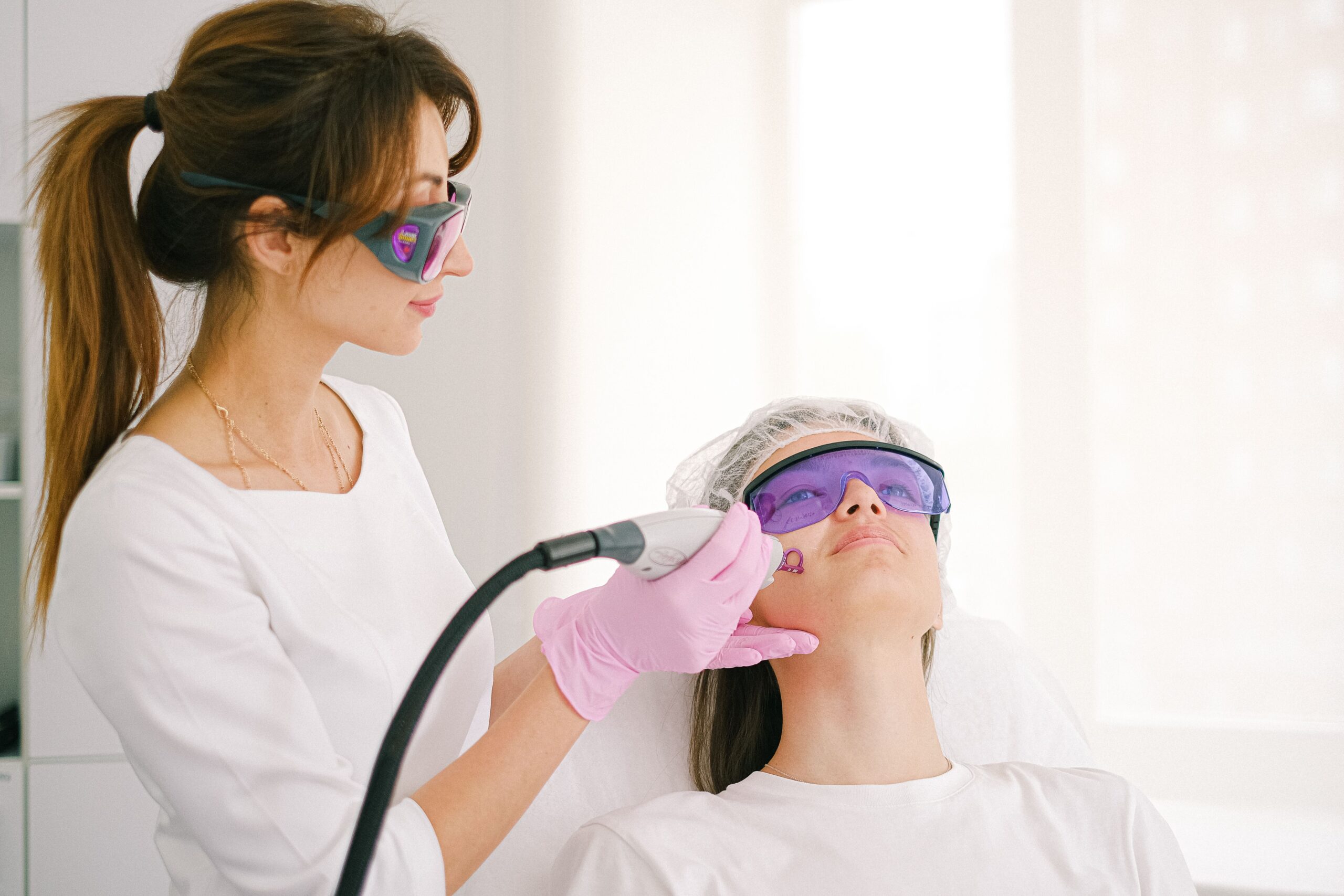
Finding a dermatologist often comes down to one frustrating obstacle: the wait. Even for something as simple as an annual skin check, it’s common to be told the next available appointment is weeks or months out. Schweiger Dermatology Group built its entire business model around solving exactly that problem, and its growth over the past decade and a half offers a useful window into how patient-access issues in specialty medicine actually get addressed when a practice decides to prioritize them.
From One Manhattan Office to a National Footprint
Schweiger Dermatology Group started in 2010 as a single office in Midtown Manhattan, founded by Dr. Eric Schweiger with a straightforward goal: eliminate the long wait times that had become normal for seeing a qualified dermatologist. What began as one location has since expanded into more than 120 offices spread across New York, New Jersey, Pennsylvania, Connecticut, Florida, California, Illinois, Minnesota, and Missouri.
That kind of expansion is unusual in dermatology specifically, a field that has historically been dominated by small, independent practices rather than larger multi-location groups. The growth reflects a broader shift happening across specialty medicine, where patients increasingly expect the same convenience and speed from healthcare that they get from nearly everything else in their lives — and practices that can deliver on that expectation tend to scale quickly.
What Services Are Actually Offered
Schweiger Dermatology Group organizes its offerings into a few broad categories: medical dermatology, cosmetic dermatology, surgical dermatology, and allergy care through its Schweiger Allergy division. That range matters because it means a single practice can address both a diagnosed skin condition and elective cosmetic concerns without a patient needing to bounce between separate specialists.
On the medical side, conditions commonly treated include acne, eczema, psoriasis, rosacea, and various forms of dermatitis, along with skin cancer screening and treatment, mole removal, and management of common but persistent issues like warts and skin tags. Surgical dermatology covers more involved procedures, including skin cancer excisions, while the cosmetic side includes non-surgical body contouring and skin tightening treatments for patients dealing with sagging or aging skin.
The addition of allergy services under the same roof is a somewhat distinctive move for a dermatology-focused group, though it makes clinical sense — skin conditions and allergic responses frequently overlap, and conditions like chronic hives or contact dermatitis often benefit from coordinated care between the two specialties rather than treatment in separate silos.
The Access Model Is the Real Differentiator
What sets a practice like this apart isn’t necessarily the range of services — plenty of dermatology groups offer similar treatment menus — it’s the emphasis on same-day and weekend appointment availability. For a specialty where patients often wait weeks to be seen, particularly for time-sensitive concerns like a suspicious mole or a sudden rash, that kind of accessibility genuinely changes outcomes. A skin cancer concern caught and evaluated within days, rather than after a six-week wait, can meaningfully affect how early a diagnosis gets made.
This access-first model has clearly resonated with patients. Public review platforms show an unusually high review volume for a healthcare group of this size, with individual locations frequently accumulating hundreds of reviews, and testimonials commonly citing that they were seen quickly, in some cases the same day they called for an appointment.
Insurance and Practical Considerations
For patients evaluating any large dermatology group, insurance coverage is worth checking carefully before booking, since acceptance often varies by state, location, and even by individual provider within the same practice. Schweiger Dermatology Group’s own materials note that its offices are in-network with a range of major insurers, though coverage specifics differ by region, and elective cosmetic procedures are typically not covered regardless of insurance status, since they’re not considered medically necessary treatment.
It’s a detail worth double-checking directly with the specific office location before an appointment, particularly for patients who need ongoing treatment for a chronic skin condition and want predictable out-of-pocket costs over time.
What This Growth Says About Dermatology Access More Broadly
There’s a broader pattern worth noting here: the shortage of dermatologists relative to patient demand isn’t unique to any one region. Many parts of the country, especially outside major metro areas, have far fewer dermatologists per capita than patients actually need, which drives wait times up across the board. Multi-location groups that can staff and coordinate dozens of offices under one operational structure represent one practical response to that shortage, spreading provider availability across more locations than a single independent practice ever could.
That’s not to say bigger is automatically better in healthcare — plenty of patients still prefer the continuity of seeing the exact same physician at every visit, which can be harder to guarantee in a larger, multi-provider group where scheduling flexibility sometimes means seeing a different provider than the one from a previous visit. It’s a genuine tradeoff, and the right choice depends on whether a patient values speed and availability more, or a longer-term relationship with one specific physician.
What to Ask Before Choosing Any Dermatology Practice
Regardless of which group a patient ultimately chooses, a few questions are worth asking upfront: Is the specific provider board-certified in dermatology? How consistently will you see the same provider across follow-up visits if you’re managing a chronic condition? What’s the actual current wait time for a new patient appointment at your nearest location, since availability can vary significantly office to office even within the same network? And for anything beyond a basic skin check, does the practice handle both diagnosis and treatment on-site, or will you need a referral elsewhere for procedures like biopsies or excisions?
The Bigger Takeaway
Schweiger Dermatology Group’s growth from a single Manhattan office to a network spanning nine states illustrates something worth paying attention to beyond this one practice: patient demand for faster, more accessible specialty care is real, and it’s reshaping how dermatology practices structure themselves. Whether a patient chooses a large multi-location group or a smaller independent practice, the underlying lesson holds either way — don’t let a long wait time talk you out of getting a skin concern checked. Persistent, unexplained changes to skin, moles, or rashes are worth addressing promptly, and access-focused practices exist specifically because that kind of promptness has historically been too hard to come by.
