


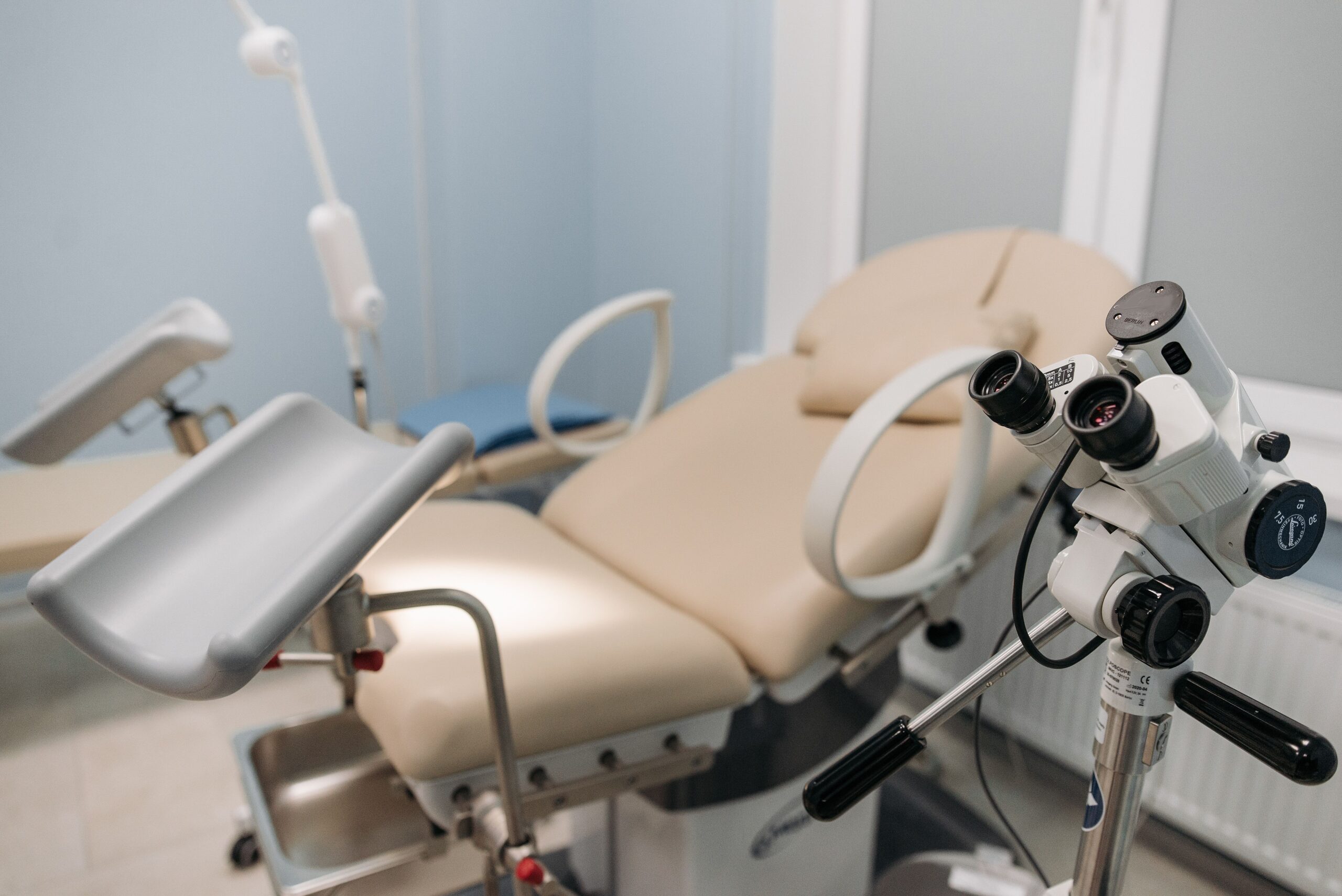
Walk into any OB-GYN office and the exam chair rarely gets a second thought — until it’s uncomfortable, poorly positioned, or simply not built for the procedure a physician needs to perform. For clinic owners and practice managers outfitting a new office, or physicians evaluating whether it’s time to replace aging equipment, the gynecology chair is one of those purchases that looks straightforward on the surface but actually involves a surprising number of clinical and practical considerations.
What a Gynecology Chair Actually Needs to Do
A gynecology exam chair, sometimes called a gynecological examination table, is purpose-built to support both the patient and the physician during pelvic exams, Pap smears, IUD insertions, colposcopies, and a range of other OB-GYN procedures. Unlike a general physician’s exam table, these chairs are specifically engineered around the positioning a pelvic exam requires — typically involving stirrups or leg supports, an adjustable backrest, and precise height and tilt controls that give a physician clear, comfortable access to the pelvic region without requiring the patient to hold an awkward position unsupported.
The earliest versions of this equipment were fairly basic: a flat table with metal stirrups bolted to either side. That design solved the immediate clinical need but did little for patient comfort, and getting on and off an older-style table was often physically difficult, particularly for patients with limited mobility or for those further along in pregnancy. Modern gynecology chairs have moved considerably beyond that baseline, incorporating motorized positioning, adjustable height for easier patient transfer, and more thoughtful ergonomic design overall.
Key Features Worth Evaluating
When comparing gynecology chairs, a few functional categories matter more than others.
Adjustability is probably the single most important factor. Height adjustment allows the chair to accommodate patients of different sizes and mobility levels, and it also allows the physician to work at an ergonomically appropriate height rather than hunching or straining during a procedure. Backrest and tilt adjustments, including Trendelenburg positioning (where the pelvis is elevated relative to the head), support a wider range of procedures beyond a standard exam.
Stirrup and leg support design varies more than it might seem. Some chairs feature adjustable stirrups that slide along guide rails, allowing precise positioning tailored to each patient rather than a fixed, one-size-fits-all setup. This matters clinically, since improperly positioned stirrups can make a routine exam more physically uncomfortable than it needs to be.
Control systems have evolved from purely mechanical, hand-crank adjustments to electric motors operated by hand or foot controls. Electric systems generally offer smoother, more precise positioning and reduce the physical effort required from clinical staff, though they typically come at a higher price point than mechanical alternatives.
Weight capacity and safety features deserve real attention, not just a passing glance at a spec sheet. Reputable chairs list a clear maximum weight capacity, and features like a one-touch reset button (returning the chair to a default safe position) and a lockout mode that prevents accidental adjustment mid-procedure are worth prioritizing, particularly in a busy clinic with several staff members using the same equipment.
Materials and infection control matter enormously in any clinical setting. Seamless, antimicrobial upholstery that resists bacterial buildup and is easy to disinfect between patients has become close to standard in newer equipment, replacing older designs with seams and crevices that were harder to keep clean.
New Versus Refurbished Equipment
For practices working within a tighter budget, refurbished gynecology chairs represent a genuinely reasonable option, not simply a lesser one. Reputable medical equipment refurbishers typically restore chairs to full working condition, including new upholstery and verified motor function, at a meaningfully lower price point than new equipment. The tradeoff worth considering is warranty coverage and expected remaining lifespan, both of which are reasonable questions to ask any refurbisher directly before purchasing.
New equipment offers the obvious advantages of full manufacturer warranties and the latest available features, but for a smaller practice or one just getting started, refurbished equipment from a reputable supplier can free up capital for other priorities without meaningfully compromising patient care.
Why This Equipment Choice Affects the Patient Experience Directly
It’s easy to treat exam room equipment as a purely operational decision, but the chair a patient is positioned in during a pelvic exam has a real effect on how that exam actually feels. Pelvic exams already carry a degree of vulnerability and discomfort for many patients, and equipment that positions someone awkwardly, requires an uncomfortable climb to get onto, or feels clinical and cold rather than considered can compound that discomfort unnecessarily.
Small design details — a chair that lowers easily for a patient who has difficulty climbing onto a raised table, stirrups that adjust smoothly rather than requiring the patient to hold an uncomfortable position while staff fumbles with a fixed setup, or simply a chair that doesn’t look like it hasn’t been updated since the 1980s — genuinely shape a patient’s overall comfort with the visit. For a specialty where patient anxiety around exams is already a well-documented barrier to consistent preventive care, equipment that reduces unnecessary discomfort is a meaningful, if under-discussed, piece of improving that experience.
Practical Considerations Before Purchasing
Before committing to a specific gynecology chair, it’s worth confirming a few practical details directly with the supplier: what the full weight capacity is, whether the chair supports the specific range of procedures your practice performs (routine exams versus more involved procedures like colposcopy or minor in-office surgery), what the maintenance and repair process looks like once the equipment is in use, and whether the upholstery and construction meet current infection-control standards for a clinical setting.
It’s also worth thinking about room layout and workflow. A chair with a smaller footprint or a more compact design might matter considerably in a smaller exam room, while a busier practice performing a wider range of procedures might prioritize a more feature-rich model capable of handling everything from a standard Pap smear to more involved gynecologic procedures without needing separate equipment for each.
The Bottom Line
A gynecology chair might seem like a purely functional piece of equipment, but the right choice touches clinical efficiency, physician ergonomics, infection control, and — perhaps most importantly — the patient’s actual experience during what can already be an uncomfortable visit. Whether outfitting a brand-new practice or replacing aging equipment in an established one, taking the time to evaluate adjustability, safety features, and overall patient comfort pays off well beyond the initial purchase decision.
