


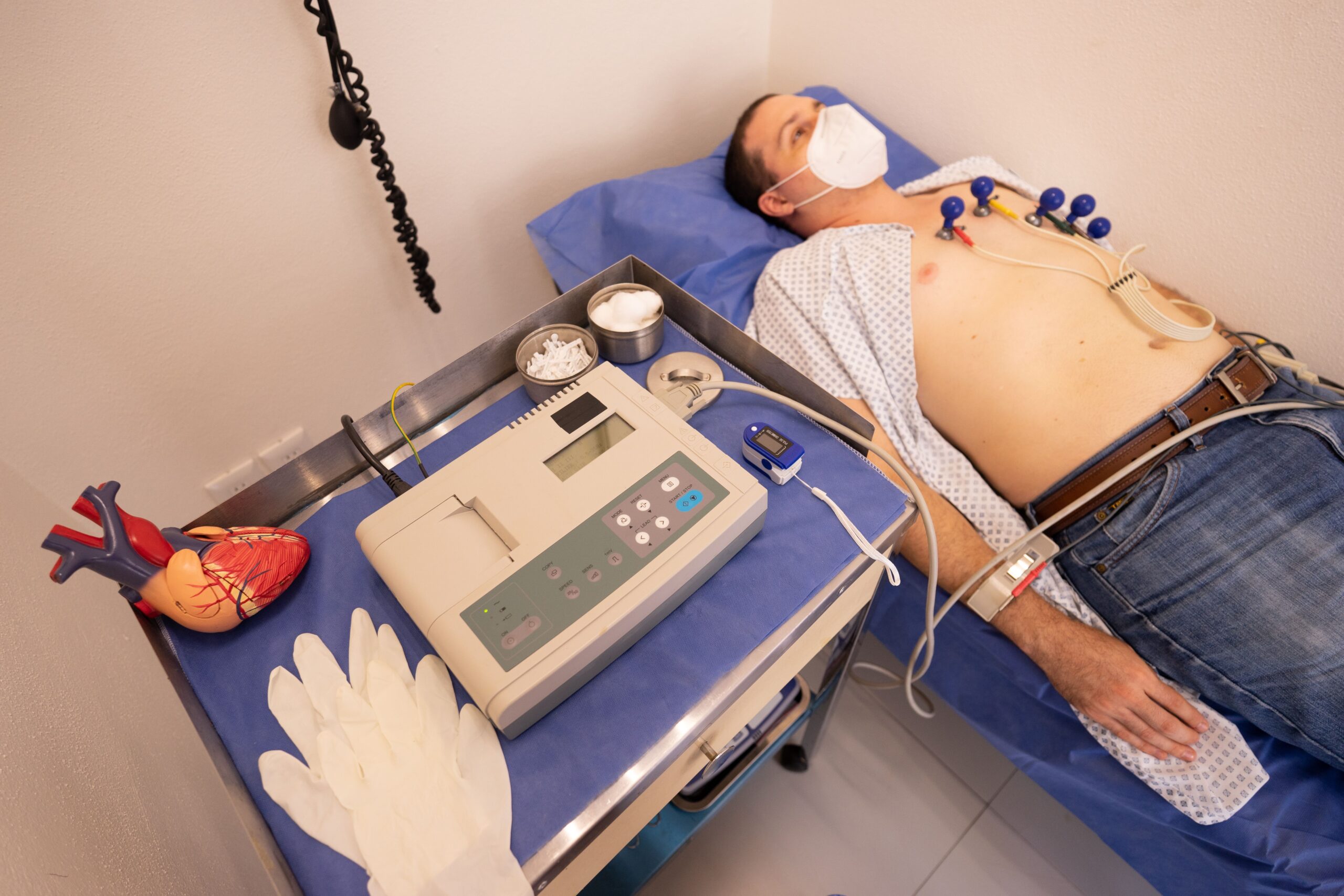
Heart disease doesn’t wait for a convenient moment, and finding the right cardiology care shouldn’t feel like guesswork either. For residents of Amarillo and the surrounding Texas Panhandle, the Cardiology Center of Amarillo has become one of the region’s established names in heart and vascular diagnostics. Whether you’ve been referred by a primary care physician or you’re researching options after a concerning symptom, understanding what a dedicated cardiology diagnostic center actually offers can make the process feel far less intimidating.
A Practice Built Around Diagnostics, Not Just Consultations
The Cardiology Center of Amarillo operates as a diagnostic center located just minutes from the region’s two main hospitals, which matters more than it might initially seem. Proximity to hospital systems means faster coordination if a diagnostic finding requires immediate follow-up care, rather than a patient having to navigate referrals across town during an already stressful time.
The practice was founded by Dr. Lowell Chaffin, Dr. Joel Osborn, and Dr. Monte Slatton, and it has since grown into a multi-physician group. Public physician directories list a broader current roster that includes Dr. Assadour Assadourian, Dr. Anthony Agostini, Dr. S. Lane Cox, Dr. David Brabham, and Dr. Alex Armour, among others, reflecting a practice that has expanded well beyond its original founding team over the years. The group is based at 6200 W Interstate 40 in Amarillo, a location shared with several other regional healthcare listings and directories.
What Kind of Care Does a Cardiology Diagnostic Center Provide?
It’s worth understanding what separates a diagnostic-focused cardiology center from a general cardiology practice, since the terminology can be confusing for patients navigating a new referral. Diagnostic cardiology centers concentrate on identifying exactly what’s happening inside the heart and vascular system, using imaging and procedural tools rather than just discussing symptoms in an office visit.
Public listings for the practice describe services including cardiac catheterization and coronary angiography, which allow physicians to directly visualize blood flow through the coronary arteries; transthoracic echocardiography, an ultrasound-based technique used to assess heart structure and valve function; and nuclear imaging techniques used to evaluate blood flow to the heart muscle during stress and rest conditions. Endovascular procedures such as balloon angioplasty and stent placement are also part of the broader service range associated with the practice, used to widen narrowed arterial segments and restore healthy blood flow.
Chest CT imaging, which can evaluate both cardiac and pulmonary structures in a single scan, rounds out a fairly comprehensive diagnostic toolkit — the kind that reduces how many separate appointments a patient needs before a physician can form a clear picture of their cardiovascular health.
What a First Appointment Typically Involves
For patients new to cardiology care generally, an initial consultation tends to follow a familiar pattern regardless of which practice you visit: a detailed discussion of personal and family health history, current medications, lifestyle factors like diet, activity level, and smoking history, and specific symptoms that prompted the referral — chest discomfort, shortness of breath, irregular heartbeat, or unexplained fatigue, for example. From there, a physician typically determines which diagnostic tests, if any, are warranted before recommending a treatment plan.
Patients considering a first visit to any cardiology diagnostic center should come prepared with a current medication list, any prior test results or imaging from other providers, and a clear description of when symptoms started and what makes them better or worse. That preparation genuinely speeds up the diagnostic process and helps physicians avoid redundant testing.
Why Regional Access to Cardiology Care Matters
The Texas Panhandle isn’t a densely populated corridor, and that geographic reality shapes healthcare access in ways that residents of larger metro areas rarely have to think about. Having a dedicated cardiology diagnostic center based in Amarillo itself, rather than requiring patients to travel to Lubbock, Dallas, or Oklahoma City for specialized cardiac testing, meaningfully reduces the burden on patients — particularly older adults or those managing chronic conditions who may struggle with long-distance travel for routine monitoring.
This kind of regional access is part of a broader pattern across rural and semi-rural America, where cardiovascular specialists are often concentrated in larger metro hospital systems, leaving smaller cities to rely on a handful of dedicated practices to cover an entire region’s diagnostic needs.
A Note on Choosing Any Cardiology Provider
Whichever cardiology practice a patient chooses in the Amarillo area, a few questions are worth asking directly before committing to ongoing care: Is the physician board-certified in cardiology, and if so, in which subspecialty? Does the practice have direct affiliations with local hospitals in case of an emergency escalation? What is the typical wait time for both routine and urgent appointments? And does the practice’s patient portal or communication system make it easy to get test results and follow-up instructions without excessive delay?
These aren’t just administrative details — they directly affect how quickly a concerning finding gets addressed, which in cardiology can make a meaningful difference in outcomes.
The Bigger Picture on Heart Health in the Region
Heart disease remains the leading cause of death in the United States, and rural and semi-rural populations often carry a disproportionate share of that burden due to a combination of factors: less consistent access to preventive care, higher rates of certain risk factors like hypertension and diabetes, and longer distances to specialized treatment when something does go wrong. Dedicated diagnostic centers like the one serving Amarillo play an outsized role in a region like the Panhandle, not just for treating existing heart disease, but for catching warning signs early enough that a treatable condition doesn’t become an emergency.
For anyone in the Amarillo area experiencing symptoms that could point to a cardiovascular issue — chest pain, unexplained shortness of breath, heart palpitations, or swelling in the legs and ankles — the right move is a conversation with a primary care physician about a referral, followed by a clear diagnostic workup rather than waiting to see if symptoms resolve on their own. Heart conditions are far more manageable when they’re caught early, and that starts with having accessible, well-equipped diagnostic care close to home.
